
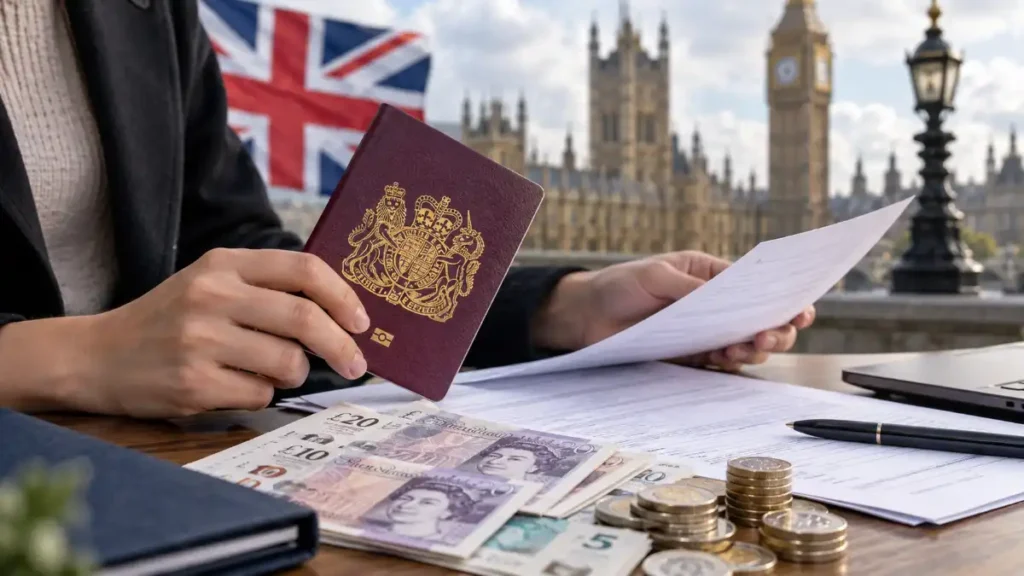
The cost of becoming a British citizen is now more than three times higher than in any other G7 country, according to new research that has raised fresh questions about whether citizenship is becoming unaffordable for some long-term UK residents.
Adults applying for British citizenship through naturalisation currently pay a £1,709 application fee. Most successful applicants must also pay £130 for a citizenship ceremony, bringing the total government charge to £1,839.
The figures were highlighted in new research from the Institute for Public Policy Research, which argues that the size of the UK citizenship fee risks preventing some people who have lived in Britain for years from taking the final step toward full citizenship.
The gap is particularly striking because the Home Office estimates that processing a naturalisation application costs about £324. That means the £1,709 application charge alone is more than five times the estimated administrative cost.
UK Citizenship Fee Is Highest in the G7
Britain stands well above the rest of the G7 on citizenship costs.
According to the international comparison highlighted in the new research, the United States has the next-highest charge at about £562. Even before Britain’s separate ceremony fee is included, the £1,709 UK naturalisation charge is more than three times that amount.
The current US naturalisation fee is $710 when Form N-400 is submitted online and $760 for a paper application.
Other G7 countries charge substantially less.
Germany currently charges €255 for naturalisation, while France also charges €255 following an increase in its citizenship-related stamp duty in 2026. Italy’s naturalisation application fee is €250.
Japan does not charge a government application fee for naturalisation.
Taken together, the comparison places Britain clearly at the expensive end of the G7 and gives the latest increase greater significance than a routine adjustment to government charges.
Fee Rose by £104 in April
The UK naturalisation application fee increased from £1,605 to £1,709 on April 8, 2026, a rise of £104.
The £130 citizenship ceremony charge remained unchanged.
GOV.UK lists the total payable by an adult applying for naturalisation using Form AN as £1,839.
The rise formed part of a broader increase in Home Office immigration and nationality fees. The cost of indefinite leave to remain, for example, increased from £3,029 to £3,226.
At the same time, the registration fee for a child applying to become a British citizen was reduced from £1,214 to £1,000.
Applicants may also face costs before reaching the citizenship stage. Many migrants have already paid visa charges, immigration health surcharges and settlement fees during their years in the UK.
That cumulative cost is one reason the debate over the citizenship charge extends beyond the final £1,839 payment.
Why Researchers Say the Cost Matters
The IPPR argues that citizenship is not simply an immigration document but an important part of long-term integration.
British citizenship gives eligible residents rights and opportunities that permanent residence alone does not fully provide, including the ability to hold a British passport and, for many people, fuller participation in the country’s political and civic life.
The think tank says high fees can leave some long-term residents unable to take that final step even after they otherwise qualify.
The issue is particularly significant for households where more than one family member needs to apply, since citizenship charges are generally paid for each applicant.
The IPPR has called for citizenship fees to be brought closer to the actual cost of processing applications as part of wider reforms aimed at making routes to permanent status and citizenship more accessible.
Its proposals also include changes to citizenship education and the Life in the UK test.
Home Office Defends Above-Cost Fees
The government has long allowed immigration and nationality charges to be set above the direct administrative cost of processing an application.
Revenue from those charges can contribute to the wider cost of running the immigration and borders system rather than paying only for the individual application being considered.
The Home Office has defended that approach on the grounds that the immigration system should be funded partly by those who use it instead of placing the full cost on taxpayers.
Critics, however, argue that citizenship is different from many temporary immigration services because it represents the final stage of settlement for people who may already have spent many years living, working and paying taxes in Britain.
The new comparison with other G7 countries is likely to add to that debate.
For now, anyone applying through the standard adult naturalisation route faces a government charge of £1,839 — £1,709 for the application and £130 for the citizenship ceremony.
With the next-highest G7 cost estimated at around £562, Britain remains an unusually expensive place to complete the journey to citizenship.
Elsewhere in our latest coverage, deep tropical moisture is also increasing the Houston flood risk as repeated downpours affect Southeast Texas.

The SBCC Editorial Team researches, writes, and reviews news and explainers using credible sources and official information.